
Asrani: Sometimes Silly, Sometimes Serious, Always Splendid
Asrani holds a unique place as a Hindi cinema legend who could crack comedy, play the perfect sidekick, and, above all, shine as a character artist who delivered with consistency, sincerity and grace.
As Basu Chatterjee’s slice-of-life classic Baton Baton Mein (1979) draws to a close, the heroine’s great-aunt arrives at Sunday church with an eager suitor, hoping to fix a match—only to find the young woman already a bride, marrying the film’s hero. The suitor’s expressions shift comically from excitement to bewilderment to embarrassment, complete with a silly grin and some awkward head scratching. It’s a throwaway bit in a quick cameo that turns into a wholesome moment, all thanks to its actor, Asrani. His rhythmic samosa munching to the notes of “Abke Sajan Saawan Mein,” in Chupke Chupke (1975) is again pure, delicious timing. Or a minor moment where he’s exasperatedly hollering, “Misterrr Shyaaam! ” at Sunil Shetty in Hera Pheri will never not be funny. That’s the thing about Asrani—no matter how much (or little) screen time he got, you’d always remember him.
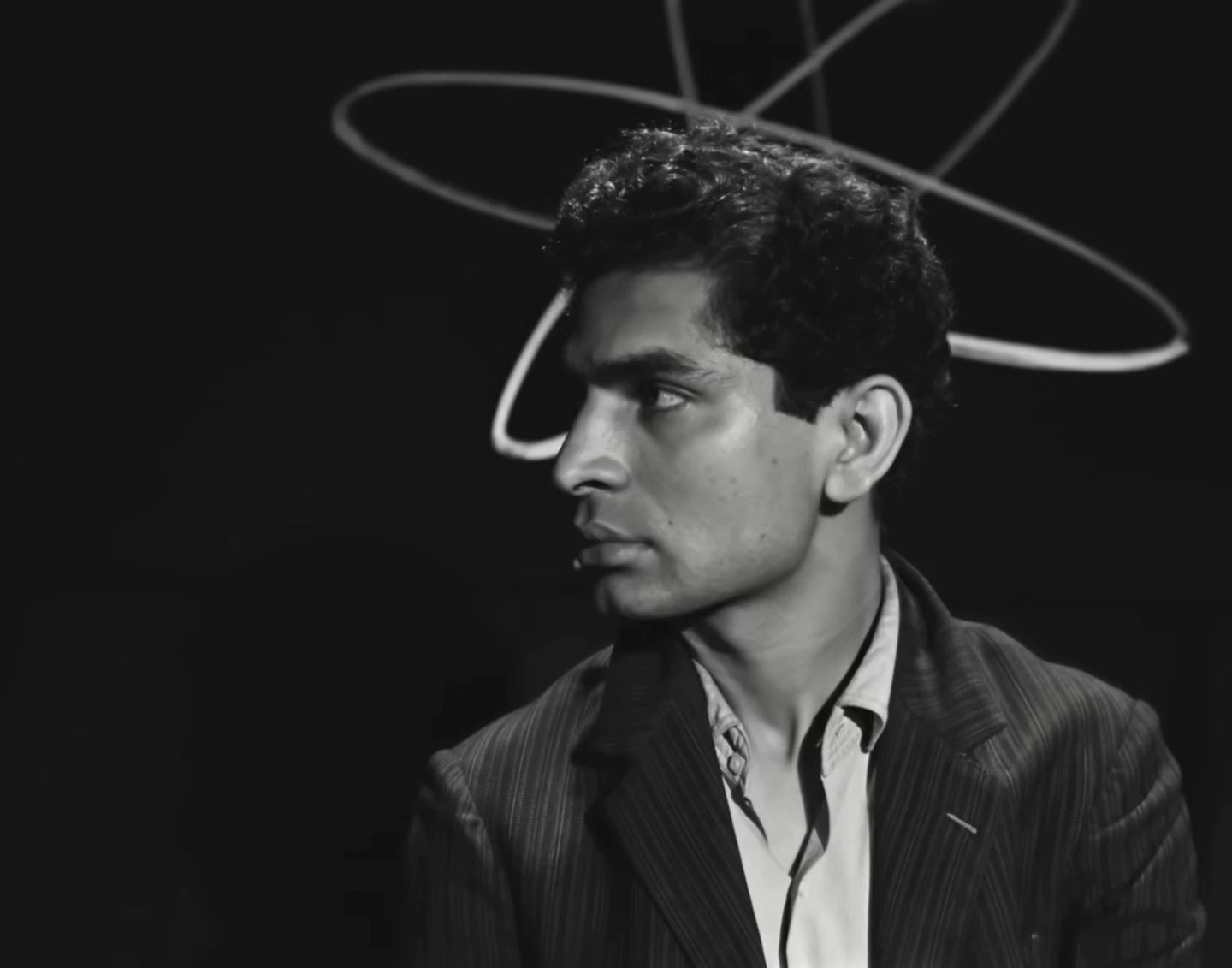
The veteran actor’s passing brought back memories of several such characters and wonderful little details about them. Was it because Asrani, with over 300 films to his credit, remained a familiar face on our screens from the 1970s well into the new millennium? But then, plenty of actors have massive filmographies. Yet very few have stayed as prolific, beloved, and relevant as him.
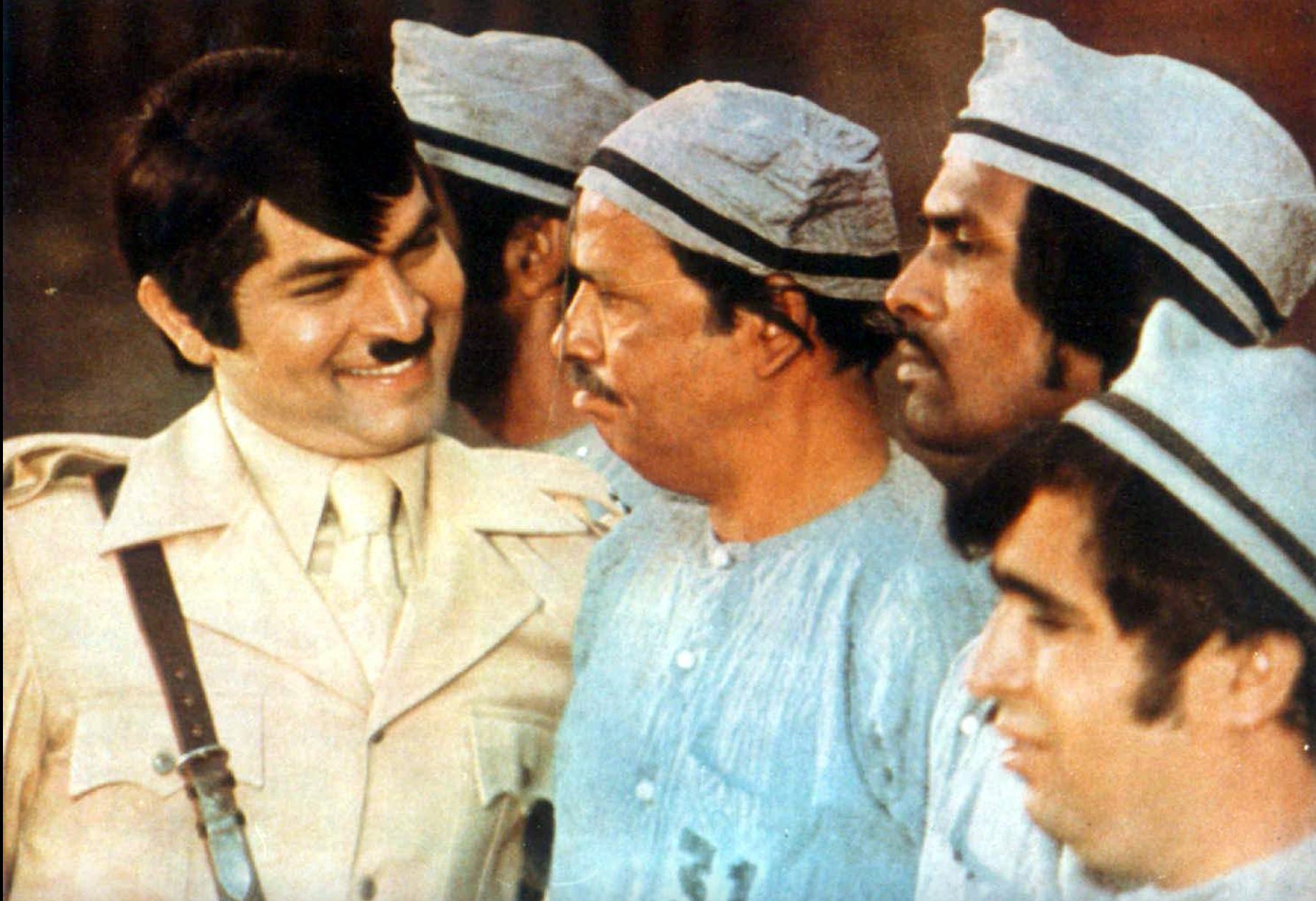
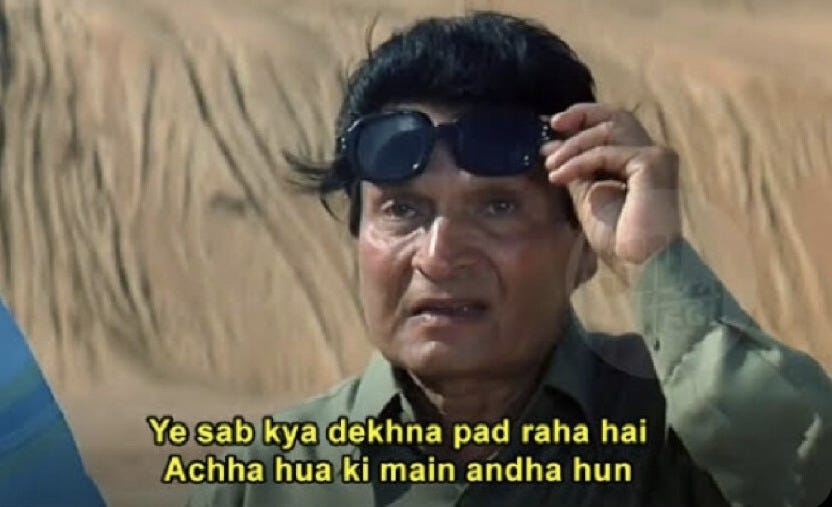
From being immortalised as the clumsy, farcical jailer in Sholay—Hindi cinema’s biggest landmark—to a trusted face of middle cinema, Asrani cruised through the ’80s potboiler era with hits like Himmatwala (1983) and Maqsad (1984) and later became integral to the 2000s slapstick comedies of Priyadarshan and Indra Kumar, even winning over a whole new generation that grew up watching and sharing his memes from films like Hera Pheri (2000), Deewane Huye Paagal (2005) and Dhamaal (2007).
Govardhan Asrani may have started as the token hero ka dost with Hare Kanch Ki Chooriyan (1967) but didn’t stay at that. His name got shorter, his career only bigger. The actor’s ease at playing breezy, offbeat parts often bearing peculiar names—Champak Bhoomia in Aaj Ki Taaza Khabar (1973) and Dr Ghad-Ghad in Aap Ki Kasam (1974), for instance—got him into the league of screen comedians.
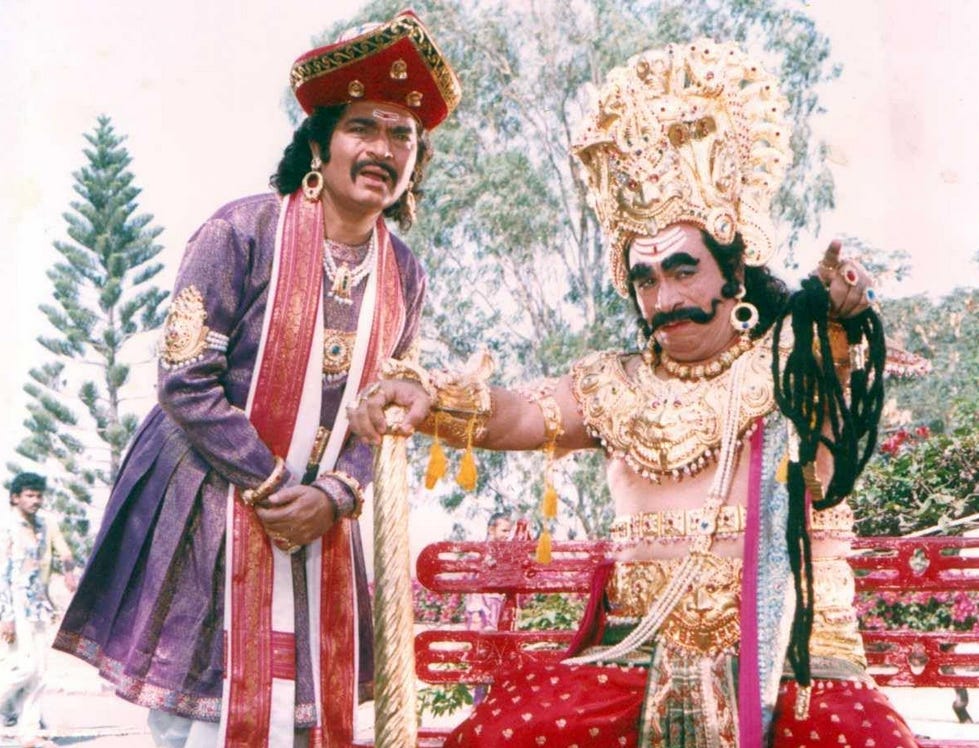
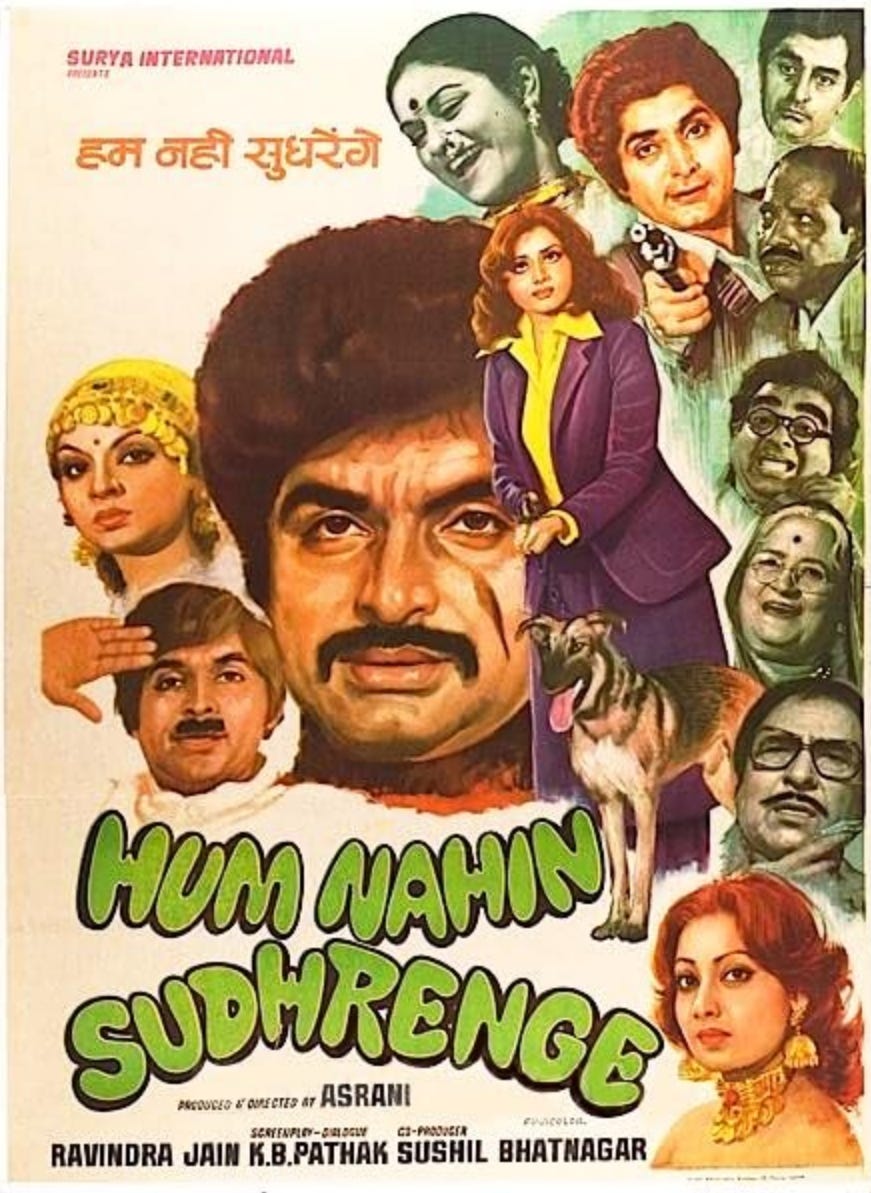
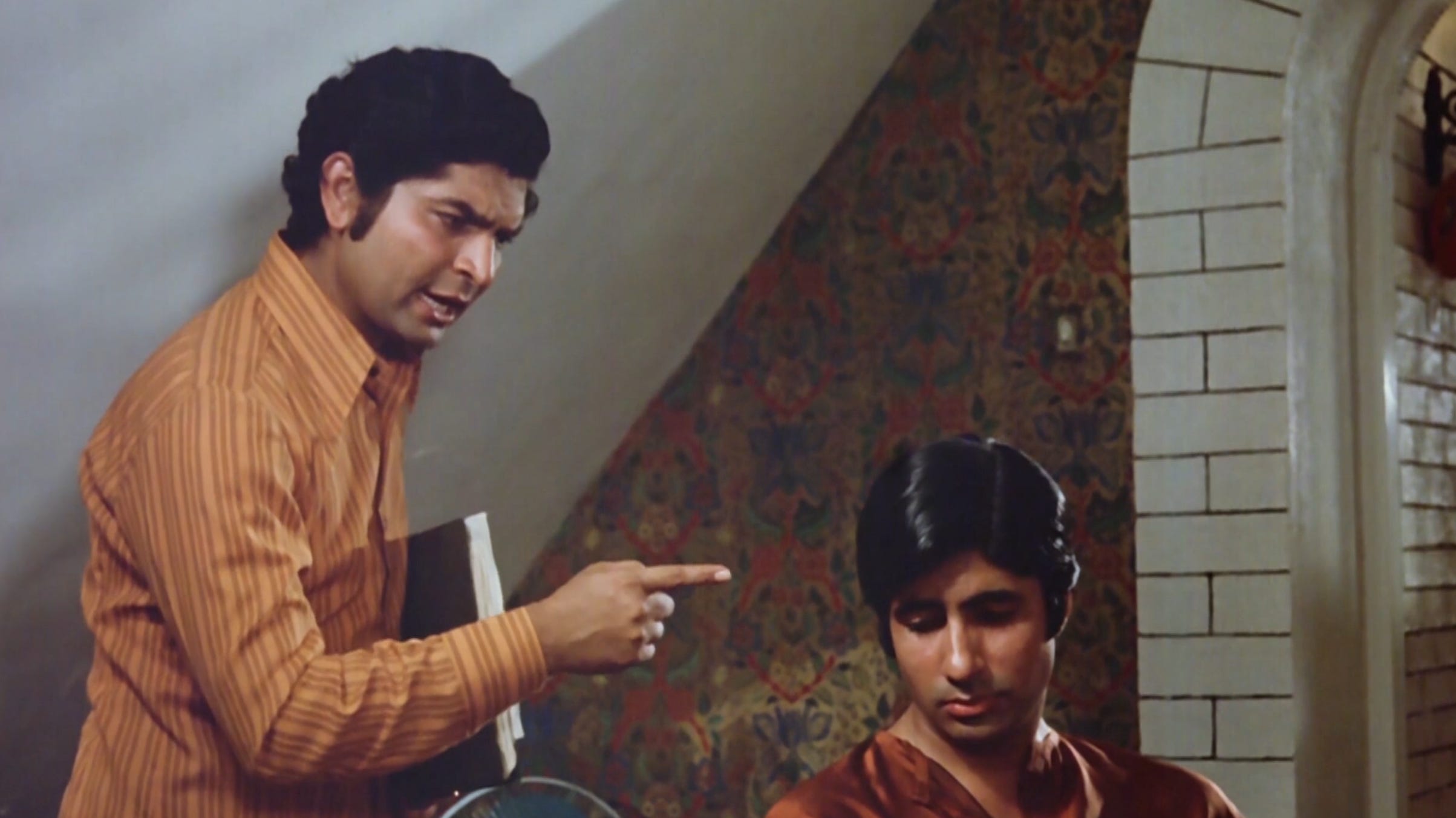
Moreover, moving performances like the loyal secretary in Abhimaan (1973) silently watching a marriage fall apart and the wise house manager in Parichay (1972), who becomes the memory keeper of a broken family, established him as one of the most dependable supporting actors of his time. Every now and then, he’d mix things up—a triple turn in his directorial Hum Nahin Sudhrenge (1980) packed with all the familiar character artists of that era, a random surprise in Ab Kya Hoga (1977), and a clownish rogue in Teri Meherbaniyan (1985)—and kept it interesting.
It’s common for performances from older films to feel dated. But it rarely happens so with Asrani’s. There was a rare precision to him: tone, expression, timing, and delivery all in perfect sync, whether it’s light-hearted roles or dramatic turns. Middle-cinema masters Chatterjee, Hrishikesh Mukherjee, and Gulzar recognised this calibre and gave him the space to show depth beyond comedy. Between ’71 and ’75, he delivered some of his most substantial work in the trio’s films.
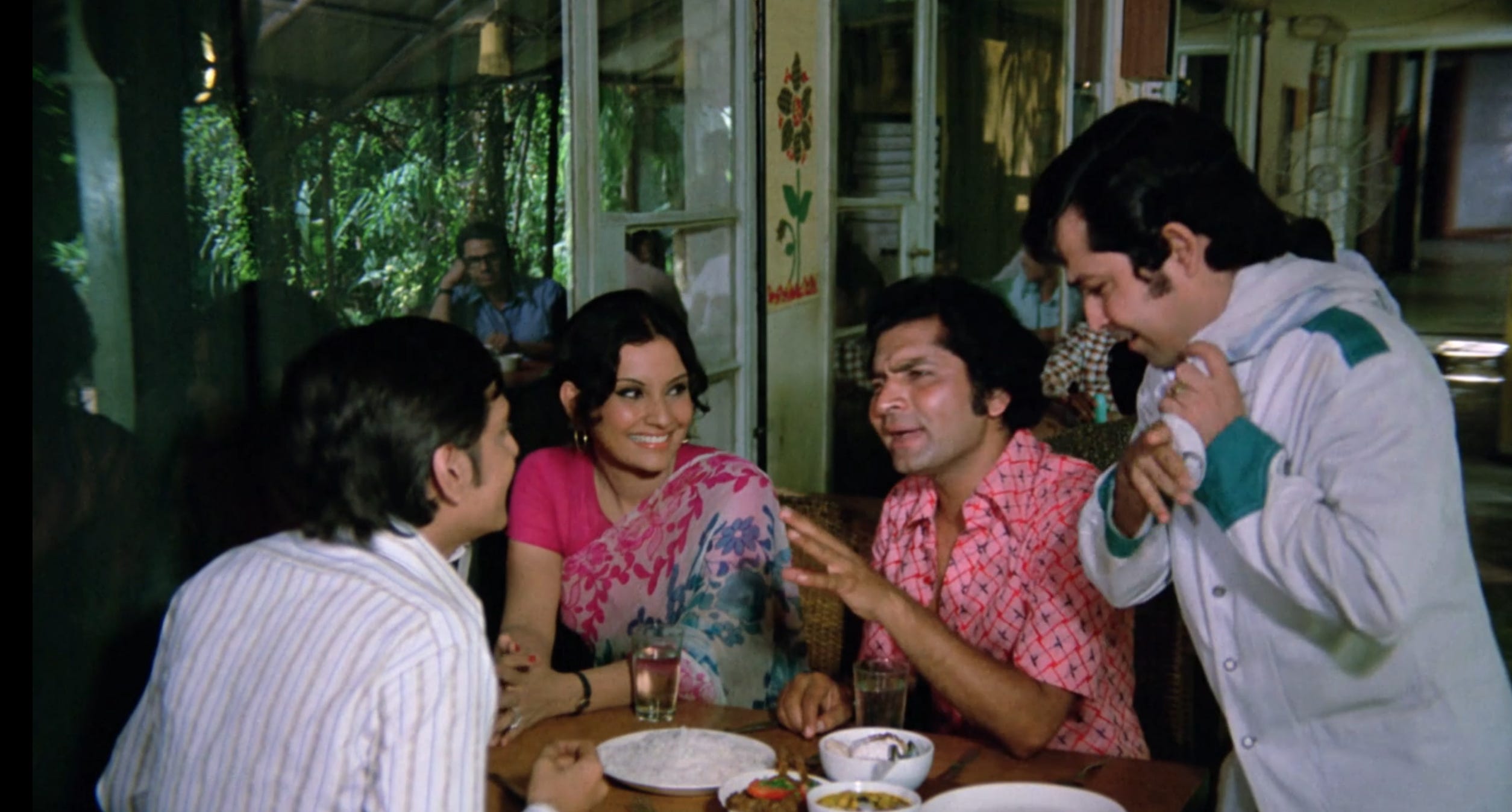
The ease and cockiness he brings to Nagesh, the heroine’s overbearing co-worker in Chhoti Si Baat (1976), who seems to outshine the timid hero, is a performance for the ages. The restaurant scene where he hijacks another man’s table, conversation, and even his menu card to order his signature ‘Chicken a la poos’ becomes cinematic shorthand for the cocky go-getters who glide through life without breaking a sweat.
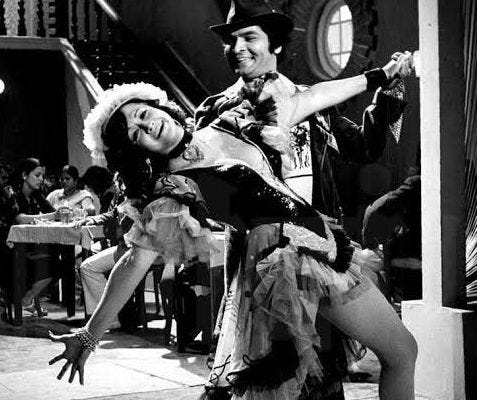
Similarly, his transition from a pompous aspiring actor to a weary extra in the background in Guddi (1971) is a heartbreaking portrayal of the unforgiving realities of showbiz. But what if the struggler had succeeded? That’s an arc he examines in his most famous directorial, Chala Murari Hero Banne (1977), where he also starred as the hero. Asrani’s knack for impressions is clear in both these films as he entertains with playful takes on his industry seniors and colleagues from Shammi Kapoor and Dilip Kumar to Dev Anand and more.
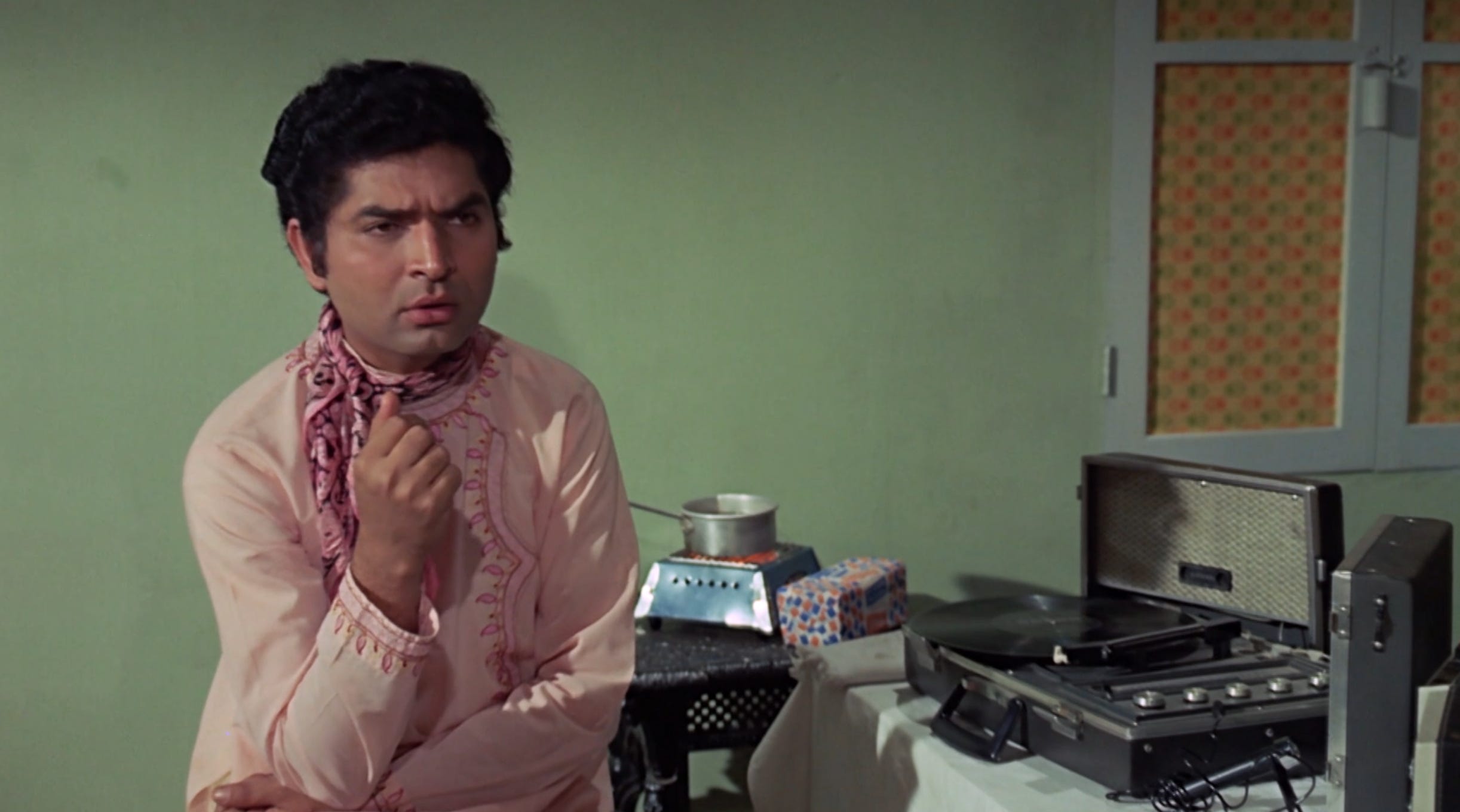
Even when his roles veered into over-the-top territory, Asrani rarely lost control. No one did pompous quite like him. After all, he gave us Hindi cinema’s most amusingly clueless show-off. Sholay’s jailer brags, blunders, cackles, trips, and brings the house down. The pretentious musician brother in Bawarchi (1972), who proudly assists music directors ‘Rajnikant-Nyarelal,’ hits the right note of mirth and irritation for his ever-bickering family. In Sabse Bada Sukh (1972), Asrani plays himself—only as a film director—barking out endlessly animated, filmi cues and directions to his actors and the crew. It’s one of his most entertaining turns, unfairly lost in this little-remembered movie directed by Hrishikesh Mukherjee, no less.
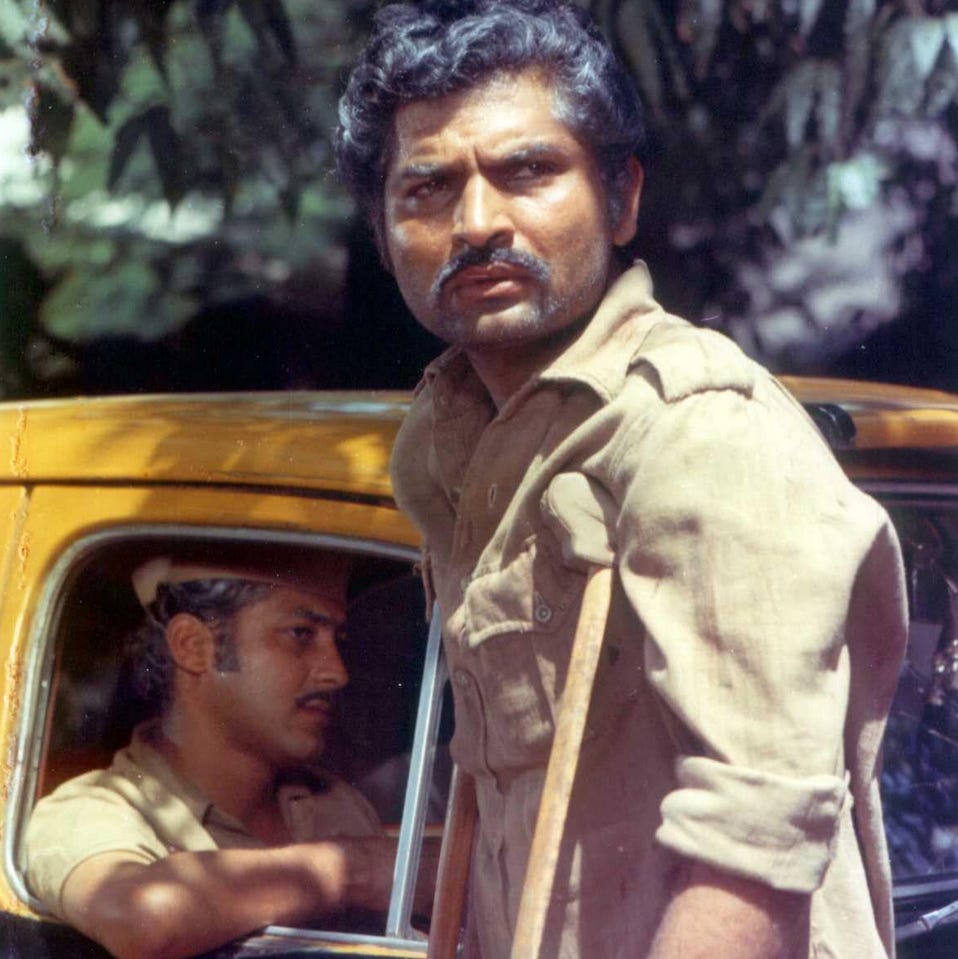
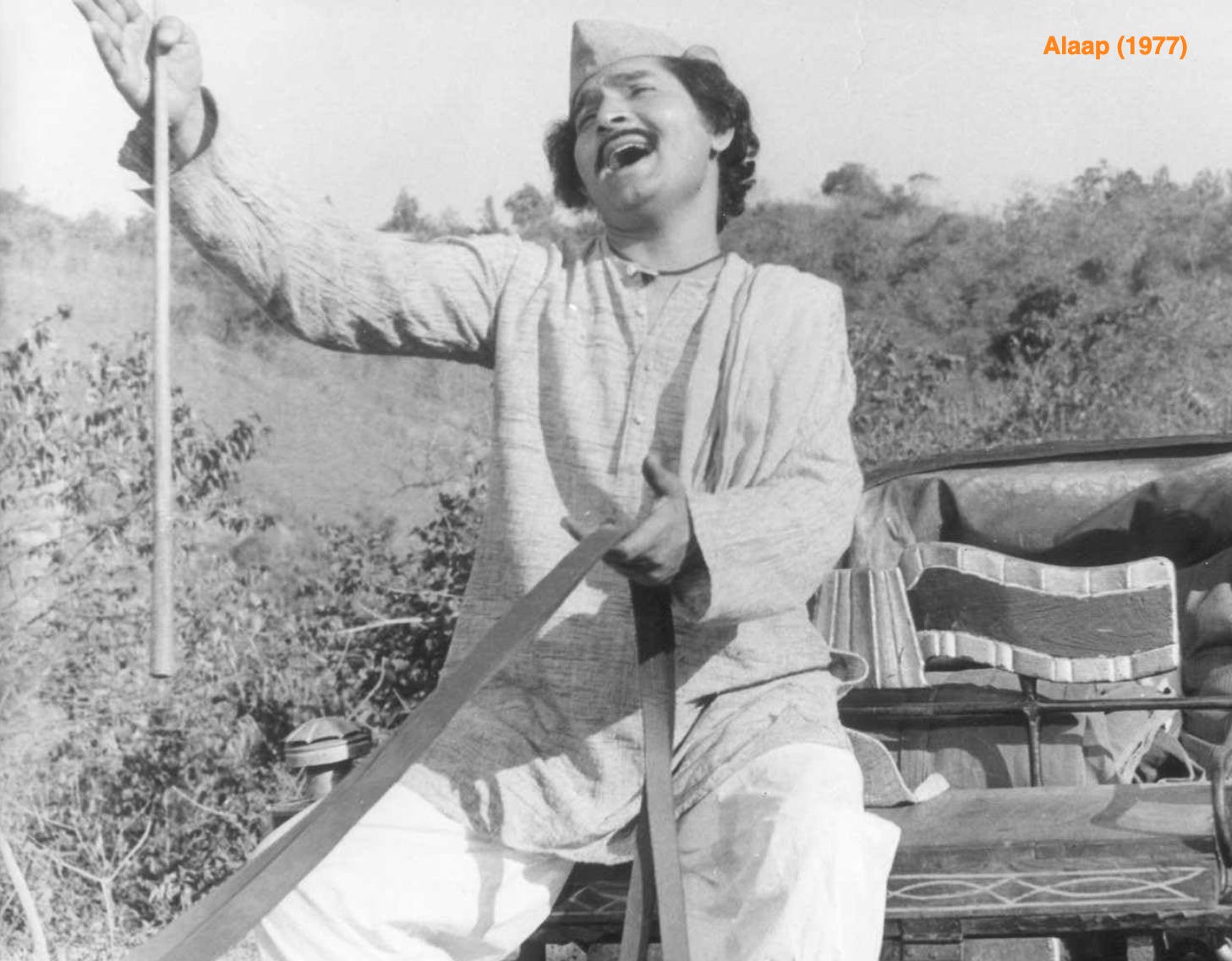
What Nirupa Roy was to filmi moms and Nazir Hussain to filmi dads, Asrani, I’d say, was to on-screen brothers. Almost always cast as the heroine’s sibling, he covered the full spectrum—from the sensitive, supportive brother to two strong-willed women in Khushboo (1975) and Alaap (’77) to the self-seeking one in Tapasya (1976) who conveniently forgets his sister’s sacrifices the moment opportunity comes knocking. But it’s in Gulzar’s Koshish (1972) that he completely flips the script—playing a wastrel who exploits his deaf and speech-impaired sister without an ounce of guilt. He slips so effortlessly into the character’s darkness that it’s hard to believe this is the same affable, funny Asrani we’ve always loved. The role was proof of how well the actor would do with negative characters if only more filmmakers were willing to take a chance on him. In one scene, his character makes an offhand remark about his sister hanging out with another hearing- and speech-impaired person and chuckles quickly. That fleeting smirk of how amused he is with himself is so on point, it perfectly captures a man that’s certainly not known for his sensitivity. Once again, pointing to those tiny, telling touches that make Asrani one of a kind.
Much like his famous ‘Chicken a la poos.’
Enjoyed the read? Don’t miss out on Flashback Bollywood’s other posts.
All images used on Flashback Bollywood are the property of their respective owners and are used for representational purposes only.
Taqdeerwala! What a blast from the past! Sometimes I feel like I’d imagined that whole movie as a kid because how could it be real 😅
This was such a lovely piece, a fitting tribute to a legend like Asrani. Somehow both extensive and specific. And I am walking away with recommendations!
What a wonderfully well written ode! Loved the fact that you mentioned his characters in Koshish and Abhimaan.